Servant leadership is a leadership style built on one powerful idea: a great leader serves the people they lead. Instead of using fear or pressure, a servant leader listens, supports, and helps others succeed. This people-first approach creates healthier teams, stronger relationships, and better long-term results.
If you want to see how servant leadership looks in real life, you may explore our main guide:
Servant Leadership Examples in Real Life.
This article explains the benefits of servant leadership in a clear, simple, and helpful way so you can understand why this style works and how it solves common problems at work and in everyday leadership.
Many leadership styles focus on authority, speed, or results at any cost. Servant leadership focuses on people.
This does not mean the leader steps back or avoids responsibility. Instead, they lead with empathy, humility, and purpose.
A servant leader:
Because of this approach, servant leadership improves both the experience of the team and the outcomes of the organization.
Many teams struggle because trust is missing. People worry about making mistakes or feel unsafe sharing ideas. Servant leadership changes that.
A servant leader:
When people feel safe, they speak up, ask questions, and give honest feedback. This creates stronger relationships and fewer misunderstandings.
Teams work better together when they feel respected and supported.
Servant leadership builds teamwork by:
Because the leader promotes respect and unity, team members naturally support one another and work together more smoothly.
Most people want to do a good job, but they need a leader who believes in them. Servant leadership increases motivation because people feel valued, understood, and appreciated.
Employees become more excited to contribute their best ideas. Work becomes more meaningful because they feel connected to the mission, not just completing tasks.
Fear-driven leadership may create fast results, but it causes burnout and mistakes in the long run.
Servant leadership builds steady, consistent performance by helping people grow.
Servant leaders:
This leads to better decisions, higher-quality work, and stronger confidence. People perform better because they feel empowered, not threatened.
Innovation thrives in safe environments. When people feel heard and respected, they are more willing to share ideas, experiment, and offer solutions.
Servant leadership supports creativity by:
This leads to smarter strategies, better processes, and continuous growth.
A toxic environment can harm both people and performance. Servant leadership helps build a workplace where people feel calm, respected, and supported.
This leadership style:
A positive workplace leads to lower turnover, stronger morale, and better results.
Strong cultures are built through consistent behavior over time. Servant leadership shapes a culture based on:
These values become part of daily habits. Even if leadership changes, the positive culture remains because people have learned to treat each other well.
Servant leadership not only develops the team; it also develops the leader.
Leaders grow in:
They become more grounded, thoughtful, and respected. Instead of leading through authority, they lead through character.
When employees feel respected and supported, they naturally treat customers with more care. This leads to better service, stronger relationships, and a more trusted brand.
Teams become more attentive, professional, and consistent because they feel proud of their work.
Servant leadership creates success that lasts because it focuses on people, the heart of every organization.
Long-term benefits include:
This stability helps teams and organizations grow year after year.
Servant leadership works because it puts people first. When people feel supported, respected, and trusted, they give their best effort, show more creativity, and build stronger relationships.
This leadership style is not a trend. It is a timeless approach rooted in empathy, service, and shared success.
It helps teams grow, helps leaders grow, and creates organizations where people feel proud to belong.
The main goal of servant leadership is to help people grow and succeed. Instead of using fear or pressure, a servant leader focuses on supporting their team, listening to their needs, and removing obstacles so everyone can perform at their best.
Servant leadership improves performance by creating a safe, supportive environment where people feel respected and trusted. When team members feel valued, they share ideas, ask questions, and produce higher-quality work without fear of making mistakes.
Fear-based leadership may create quick results, but it also causes burnout, low engagement, and poor communication. Servant leadership builds long-term success by strengthening trust, motivation, collaboration, and creativity, qualities that last and help teams grow.
Yes. Servant leadership is effective even in fast-paced or high-stress settings because it builds clarity, trust, and emotional safety. When people feel supported, they can handle pressure better and stay focused on the mission instead of worrying about blame or punishment.
Servant leadership promotes empathy, fairness, respect, and open communication. These behaviors shape a culture where people feel heard, valued, and connected. Over time, this leads to lower turnover, stronger teamwork, and a healthier environment where everyone can thrive.

By Dennis Ondrejka
This inspiring guide re-imagines leadership as an act of service rooted in empathy, humility, and purpose. Blending academic insight, personal stories, and practical tools, Servant Leadership equips readers to lead with heart and integrity-whether in the classroom, the boardroom, or everyday life. Drawing on timeless spiritual wisdom and modern research, Thibodeau and Ondrejka show how leading by serving can transform individuals, teams, and entire organizations. This is leadership as it was meant to be: good work, sacred work, our work.
Servant leadership flips traditional leadership on its head. Instead of power flowing from the top down, servant leaders prioritize the needs of their team, community, or organization first. They lead by serving others, fostering growth, and building trust along the way.
This approach isn't just theoretical. Throughout history and in boardrooms today, servant leadership examples in real life have proven to be a powerful force for positive change. From global icons like Nelson Mandela to business leaders like Howard Schultz, these individuals demonstrate that putting others first can create lasting impact.
In this post, we'll explore more servant leadership examples in real life, uncover the characteristics that define these leaders, and show you how to apply these principles in your own life.
Servant leadership is a philosophy where the leader's primary goal is to serve. Coined by Robert K. Greenleaf in 1970, this leadership style emphasizes empathy, listening, and helping others develop and perform at their highest potential.
Core principles include:
This leadership style matters more than ever. Organizations are moving away from hierarchical, command-and-control structures toward models that value collaboration, empathy, and shared purpose. Servant leadership fits this shift perfectly.

Nelson Mandela is one of the most powerful examples of servant leadership in history. After spending 27 years in prison for fighting apartheid in South Africa, Mandela emerged not with bitterness, but with a vision of unity and reconciliation.
As South Africa's first Black president, Mandela prioritized healing his nation's deep wounds over personal vengeance. He established the Truth and Reconciliation Commission, which allowed victims and perpetrators of apartheid-era crimes to share their stories. This approach prioritized collective healing and demonstrated Mandela's commitment to serving his country's long-term well-being.
Mandela once said, "A good head and a good heart are always a formidable combination." His leadership style embodied this philosophy, proving that true strength lies in compassion and service.
Howard Schultz, former CEO of Starbucks, transformed a small Seattle coffee chain into a global brand by putting employees first. Schultz believed that if you take care of your people, they'll take care of your customers.
He introduced unprecedented benefits for part-time workers, including health insurance and stock options. Schultz also launched the Starbucks College Achievement Plan, offering full tuition coverage for employees pursuing a bachelor's degree. These initiatives weren't just good PR. They reflected Schultz's genuine belief that businesses have a responsibility to serve their workers.
"We are not in the coffee business serving people, but in the people business serving coffee," Schultz famously said. His servant leadership approach helped Starbucks thrive while setting a new standard for corporate responsibility.
Few individuals embody servant leadership as completely as Mother Teresa. For nearly 50 years, she dedicated her life to serving "the poorest of the poor" in the slums of Calcutta, India.
Mother Teresa founded the Missionaries of Charity, an organization that provided food, medical care, and dignity to those society had forgotten. She didn't lead from an ivory tower. She worked alongside her team, caring for the sick and dying with her own hands.
Her leadership philosophy was simple but profound: "Not all of us can do great things, but we can do small things with great love." This quote captures the essence of servant leadership; it's not about grand gestures but about consistent, compassionate action.
What separates servant leaders from other leadership styles? Here are the defining traits:
Servant leaders genuinely care about the people they serve. They take time to understand different perspectives and respond with compassion. This emotional intelligence helps them make decisions that benefit everyone, not just the bottom line.
Rather than dominating conversations, servant leaders listen deeply. They ask questions, seek feedback, and create space for others to share their ideas. This approach builds trust and ensures that decisions reflect the needs of the team.
Servant leaders invest in developing others. They provide mentorship, create learning opportunities, and celebrate their team's successes. Their goal isn't to maintain control but to help others reach their full potential.
These leaders don't seek the spotlight. They recognize that leadership is about service, not status. They're willing to admit mistakes, learn from others, and share credit generously.
Despite their focus on others, servant leaders maintain a clear vision. They balance immediate needs with long-term goals, ensuring their service creates lasting impact.
If you’d like to dive deeper into inspiring quotes from servant leaders, see our related article: 60 Servant Leadership Quotes: The Heart of Leadership.
Here are a few highlights:
These quotes remind us that servant leadership isn’t about authority, it’s about influence through service.
You don't need to be a CEO or historical figure to embrace servant leadership. Here's how to start:
Make a conscious effort to listen actively in conversations. Ask open-ended questions and resist the urge to interrupt. This simple shift shows respect and helps you understand others' needs better.
Look for opportunities to delegate meaningful work. Trust others with important tasks and provide the support they need to succeed. This builds confidence and develops new leaders.
Invest time in helping others grow. Offer mentorship, share resources, and celebrate their progress. When people feel supported, they perform better and remain more engaged.
Demonstrate the values you want to see in your team. Show up with integrity, treat everyone with respect, and maintain a positive attitude even during challenges.
Look beyond your immediate circle. Volunteer, support local causes, or simply help a neighbor in need. Servant leadership extends far beyond professional settings.
Acknowledge your limitations and be willing to learn from others. Share credit for successes and take responsibility for failures. This authenticity builds trust and respect.
Servant leadership creates meaningful, lasting improvements in how teams work and grow. By putting people first, leaders build stronger relationships, boost engagement, and inspire better performance.
For a full breakdown of these advantages, you can explore our guide on The Benefits of Servant Leadership.
The examples of servant leadership we've explored from Nelson Mandela's reconciliation efforts to Howard Schultz's employee-first policies to Mother Teresa's selfless service prove that this approach works across contexts and cultures.
Servant leadership isn't a weakness. It's a different kind of strength, one that prioritizes collective success over individual glory. It requires empathy, humility, and a genuine commitment to helping others thrive.
You can start practicing servant leadership today. Listen more carefully, empower those around you, and look for opportunities to serve. These small actions compound over time, creating positive change in your relationships, workplace, and community.
As Robert K. Greenleaf wrote, "The servant-leader is servant first." When you lead with this mindset, you don't just achieve results; you transform lives.
If you're ready to lead with heart, put others first, and make a meaningful impact, then servant leadership is not just a theory; it’s a practical, transformational approach you can adopt today.
For more inspiration, be sure to explore our dedicated article on the power of quotes from servant leaders: 60 Servant Leadership Quotes: The Heart of Leadership.
Servant leadership is a leadership style where the leader’s main goal is to serve others first. Instead of focusing on power or authority, servant leaders prioritize the growth, well-being, and success of their team, organization, or community.
The term servant leadership was coined by Robert K. Greenleaf in 1970. His essay “The Servant as Leader” described leadership as an act of service grounded in empathy, listening, and ethical behavior.
Traditional leadership often focuses on hierarchy and control, where power flows from the top down. In contrast, servant leadership flips this structure. Leaders put people first, empower others, and measure success through collective growth rather than personal recognition.
Notable servant leaders include:
Nelson Mandela, who led South Africa through reconciliation rather than revenge.
Howard Schultz, former Starbucks CEO, who prioritized employee well-being and opportunity.
Mother Teresa, who devoted her life to serving the poor and sick through compassion and humility.
Servant leaders typically display:
Empathy and genuine care for others.
Active listening and openness to feedback.
Commitment to growth for their team members.
Humility and willingness to serve rather than command.
Vision that balances immediate needs with long-term goals.
In a world where collaboration and empathy are increasingly valued, servant leadership helps organizations build trust, enhance teamwork, and achieve sustainable success. It encourages ethical behavior and emotional intelligence qualities that modern workplaces demand.
You can start by:
Listening more and speaking less.
Empowering others with trust and responsibility.
Offering mentorship and celebrating others’ success.
Leading by example through honesty and service.
Getting involved in community or volunteer efforts.
Servant leadership leads to stronger relationships, higher employee engagement, improved performance, and lasting cultural impact. It also brings personal fulfillment through meaningful service to others.
Absolutely. Many companies thrive under servant leadership models. Leaders like Howard Schultz and organizations such as Southwest Airlines and The Container Store have proven that serving employees first leads to better customer satisfaction and long-term success.
By focusing on compassion, fairness, and shared growth, servant leadership promotes environments where people feel valued and empowered. This ripple effect extends beyond organizations, fostering communities built on trust, empathy, and collaboration.
By Dennis Ondrejka
This inspiring guide re-imagines leadership as an act of service rooted in empathy, humility, and purpose. Blending academic insight, personal stories, and practical tools, Servant Leadership equips readers to lead with heart and integrity-whether in the classroom, the boardroom, or everyday life. Drawing on timeless spiritual wisdom and modern research, Thibodeau and Ondrejka show how leading by serving can transform individuals, teams, and entire organizations. This is leadership as it was meant to be: good work, sacred work, our work.
Effective leadership has evolved. Gone are the days when a top-down, command-and-control approach was the standard. Today's most successful leaders understand that connecting with their team on a human level is not a "soft skill" but a business imperative. This is the core of empathetic leadership: the ability to understand and share the feelings of others to guide and support them more effectively. How to Lead With Empathy in the Modern Workplace is not just about kindness; it’s about developing genuine awareness of your team’s perspectives, challenges, and motivations.
An empathetic leadership style is about more than just being nice. It involves a sincere effort to understand your team's perspectives, challenges, and motivations. As workplaces become more diverse, remote, and dynamic, the ability to lead with empathy is what separates good managers from great leaders. It's the key to building resilient, engaged, and high-performing teams.
This guide will explore what it means to be an empathetic leader. We will cover the different types of empathy, the tangible benefits it brings to an organization, and practical steps you can take to cultivate this essential skill. Whether you're a seasoned executive or a newly appointed manager, learning to lead with empathy will transform your leadership and your team's success.
Before we explore how to become a more empathetic leader, it's important to distinguish empathy from a similar, yet distinct, emotion: sympathy.
In leadership, sympathy can create distance, positioning the leader as an outsider looking in. Empathy builds a bridge, fostering connection and mutual understanding. Researchers Daniel Goleman and Paul Ekman identify three distinct types of empathy that are crucial for leaders:
This is the ability to understand someone's perspective on a logical level. You can see their point of view and understand how they are thinking without necessarily sharing their emotions. A leader with strong cognitive empathy can process information and make decisions that consider the team's thought processes. It's the "I get what you're saying" form of empathy.
This is the ability to feel what another person is feeling. When a team member is anxious about a presentation, a leader with emotional empathy might feel a sense of that anxiety themselves. This shared emotional experience creates a deep, personal connection. It's the "I feel your stress" form of empathy.
This is the most active form of empathy. It combines both cognitive and emotional understanding with the impulse to help. A leader practicing compassionate empathy not only understands and feels a team member's struggle but is also moved to take action to support them. It’s the "I understand, I feel for you, and I want to help" form of empathy. An effective empathetic leader leverages all three types to build a supportive and productive environment.
Adopting an empathetic leadership style isn't just about creating a positive work environment; it delivers measurable business results. When leaders genuinely care about their team members, the impact is felt across the organization.
Empathy is not a fixed trait; it's a skill that can be learned and developed. Here are five practical ways to become a more empathetic leader:
While empathy is a powerful tool, it's important to be aware of potential pitfalls. Being an empathetic leader doesn't mean taking on everyone's emotional burdens or abandoning boundaries.
Empathetic leadership is no longer a nice-to-have; it is fundamental to building a successful, sustainable, and humane workplace. By understanding the different facets of empathy, recognizing its benefits, and actively working to develop your skills, you can become a leader who not only drives results but also fosters a culture of trust, collaboration, and well-being.
Start today by choosing one practice like active listening or perspective-taking, and make a conscious effort to apply it in your daily interactions. The journey to becoming a more empathetic leader is a continuous one, but the rewards for you, your team, and your organization are immeasurable.
Leading with empathy means understanding and sharing the feelings of your team members. It involves listening actively, recognizing emotions, and responding with compassion to create a supportive and productive work environment.
Empathy helps build trust, improve communication, and strengthen relationships. In today’s diverse and dynamic workplaces, empathetic leaders are better equipped to inspire loyalty, reduce turnover, and boost team performance.
Sympathy is feeling sorry for someone’s situation, while empathy is putting yourself in their shoes and understanding their experience. Empathy fosters connection and collaboration, whereas sympathy can unintentionally create distance.
Leaders can strengthen three kinds of empathy:
Cognitive empathy: Understanding others’ perspectives logically.
Emotional empathy: Feeling what others feel emotionally.
Compassionate empathy: Understanding, feeling, and taking supportive action.
Empathy is a skill that can be developed. Through practice such as active listening, perspective-taking, and genuine care, leaders can strengthen their ability to connect and respond empathetically.
Empathetic leaders foster trust, open communication, and belonging, leading to higher morale, productivity, and innovation. These positive outcomes directly translate to improved team and organizational success.
Examples include listening without interrupting, asking clarifying questions, acknowledging emotions, showing flexibility during personal hardships, and creating an open feedback culture.
Yes. Without healthy boundaries, empathy can lead to emotional exhaustion or difficulty making tough decisions. Balancing care with objectivity is key to sustainable empathetic leadership.
Authenticity is essential. Avoid scripted responses, listen genuinely, follow up on team concerns, and act consistently with your words. Real empathy grows from sincere understanding, not performance.
Start by practicing active listening. Give your full attention in conversations, acknowledge emotions, and validate others’ perspectives. This small shift builds the foundation for trust and a deeper connection.
By Dennis Ondrejka
This inspiring guide re-imagines leadership as an act of service rooted in empathy, humility, and purpose. Blending academic insight, personal stories, and practical tools, Servant Leadership equips readers to lead with heart and integrity-whether in the classroom, the boardroom, or everyday life. Drawing on timeless spiritual wisdom and modern research, Thibodeau and Ondrejka show how leading by serving can transform individuals, teams, and entire organizations. This is leadership as it was meant to be: good work, sacred work, our work.
Many of today's most influential leaders credit a portion of their success to a single, invaluable relationship: mentorship. From Mark Zuckerberg's guidance from Steve Jobs to Maya Angelou's mentorship of Oprah Winfrey, history shows that having a trusted advisor can be a powerful catalyst for growth. But what exactly is the role of a mentor in leadership development, and how does this unique relationship transform potential into proficiency?
This post will explore the critical connection between leadership and mentoring. We'll examine the tangible benefits of having a mentor, outline the qualities that make a great one, and provide actionable steps for finding a mentor who can help shape your career. Whether you're an aspiring leader or a seasoned professional looking to guide the next generation, understanding this dynamic is essential for personal and professional growth.
Mentorship is a key element in developing effective leaders, offering direction, encouragement, and practical wisdom to those aiming to enhance their leadership skills. Through sharing experience and expertise, mentors empower mentees to progress and succeed in their careers.
Within organizations, mentorship provides added value by transferring essential business and contextual knowledge that strengthens both individual and company performance.
A mentor acts as a guide, supporter, and constructive critic, providing a unique blend of personal and professional support that formal training often misses. The benefits of leadership development through mentoring are wide-ranging and can profoundly impact an individual's career trajectory.
One of the primary roles of a leadership mentor is to offer guidance rooted in real-world experience. They have navigated the challenges, celebrated the wins, and learned the lessons that come with leadership. By sharing these experiences, mentors can provide protégés with a roadmap, helping them avoid common pitfalls and make more informed decisions. This isn't about giving direct orders; it's about sharing wisdom that allows the mentee to see situations from a different, more experienced perspective.
The path to leadership can be isolating. A mentor provides a safe space for protégés to discuss their fears, frustrations, and ambitions without fear of judgment. This emotional and psychological support is invaluable, helping to build the confidence and resilience necessary to lead effectively. A good mentor is a cheerleader, celebrating successes and offering encouragement during setbacks, which reinforces the mentee's belief in their own abilities.
Honest feedback is a gift, and it's one of the most important senior mentor responsibilities. While peers or managers might hesitate to provide direct criticism, a mentor is positioned to offer candid, constructive feedback. They can identify blind spots, challenge limiting beliefs, and push their mentees to stretch beyond their comfort zones. By setting goals and checking in on progress, a mentor also provides a level of accountability that drives continuous improvement and keeps the mentee focused on their development path.
Not everyone with experience is suited to be a mentor. The most effective mentors possess a specific set of qualities that enable them to foster a successful and impactful relationship.
A great mentor should have a deep well of experience in the mentee's field or desired area of growth. They don't need to have all the answers, but they should have a strong understanding of the industry, organizational dynamics, and the specific challenges a leader might face. Their expertise lends credibility to their advice and ensures their guidance is both relevant and practical.
Mentorship is a dialogue, not a monologue. A skilled mentor is an exceptional listener, taking the time to understand their mentee's goals, challenges, and perspectives. They ask insightful questions that prompt self-reflection rather than simply providing answers. Clear, empathetic communication builds trust and creates an environment where the mentee feels heard and understood.
Developing leadership skills takes time. A great mentor is patient, understanding that growth is a process with its own pace. They approach the relationship with empathy, recognizing the pressures and uncertainties their mentee is facing. This compassionate approach makes it easier for the mentee to be vulnerable and open to feedback, which is essential for true development.
The best mentors are driven by a genuine passion for helping others succeed. They find fulfillment in sharing their knowledge and watching their protégés flourish. This intrinsic motivation is the foundation of a strong mentoring relationship, as it ensures the mentor is invested in the mentee's success for the right reasons. This is a core component of a mentoring leadership style, where leaders focus on lifting up their team members.
Finding a leadership mentor who is the right fit for you requires a thoughtful and strategic approach. It's about identifying someone whose experience, style, and values align with your own aspirations.
A successful partnership is built on mutual respect, trust, and clear expectations. From the outset, both mentor and mentee should discuss their goals for the relationship, how often they'll meet, and what they expect from each other. The mentee should drive the relationship, coming to each meeting prepared with questions and topics for discussion. The mentor's role is to listen, guide, and challenge. This collaborative dynamic ensures that the relationship remains productive and beneficial for both parties.
The impact of mentorship is evident in the stories of countless successful leaders.
These examples highlight how leadership development through mentoring can provide the critical insights and support needed to achieve extraordinary success.
A mentor plays a multi-faceted role in leadership development, acting as a guide, supporter, and constructive critic. They provide a unique blend of personal and professional support to help transform potential into proficiency. Their key roles include offering guidance based on real-world experience, providing unbiased encouragement to build confidence, and delivering honest feedback to foster continuous improvement.
A mentor can be a catalyst for your professional growth by:
Providing a roadmap to help you avoid common pitfalls and make informed decisions.
Offering a safe space to discuss ambitions and frustrations, building the resilience needed to lead.
Holding you accountable to your goals, ensuring you stay focused on your development path.
Expanding your network and providing insights into your industry or desired career path.
Mentors accelerate the development of wisdom by allowing mentees to learn from their experiences without having to go through the same trials themselves. They share not just knowledge, but the nuanced lessons learned from their successes, failures, and the challenges of leadership. This process helps mentees see situations from a more experienced perspective, fostering deeper understanding and judicious decision-making.
While models vary, the "5 C's" often refer to key pillars of a successful mentoring relationship:
Chemistry: A natural rapport and mutual respect between mentor and mentee.
Connection: The establishment of a trusting and professional relationship.
Communication: Open, honest, and effective two-way dialogue.
Clarity: Clear goals and expectations for the relationship.
Commitment: Dedication from both parties to actively participate and follow through.
The "4 P's" is a framework for structuring the mentoring relationship:
Purpose: The "Why." Defining the specific goals and objectives for the relationship.
Plan: The "How." Outlining the steps, meeting frequency, and topics for discussion.
Process: The "What." Engaging in the ongoing activities of listening, guiding, and providing feedback.
Progress: The "Result." Regularly reviewing and measuring development and outcomes.
The "3 A's" highlight the mentee's responsibilities for a successful relationship:
Accountability: Taking ownership of your own development and goals.
Action: Implement the advice and strategies discussed with your mentor.
Availability: Being prepared, present, and engaged during mentoring sessions.
Mentorship is more than just a professional relationship; it's a powerful partnership that fosters growth, builds confidence, and accelerates leadership development. A good mentor provides the guidance, support, and accountability that can help an aspiring leader unlock their full potential. By thoughtfully seeking out a mentor and actively engaging in the relationship, you can gain a trusted advisor who will not only help you navigate your career but also inspire you to become the best leader you can be. The journey to leadership is rarely walked alone, and a mentor can be the most valuable companion you'll have along the way.
If you want more practical guides on leadership, mentoring, and personal development, share your topic or question in the comments. I’ll help you break it down into simple, actionable insights you can apply right away.
By Dennis Ondrejka
This inspiring guide re-imagines leadership as an act of service rooted in empathy, humility, and purpose. Blending academic insight, personal stories, and practical tools, Servant Leadership equips readers to lead with heart and integrity-whether in the classroom, the boardroom, or everyday life. Drawing on timeless spiritual wisdom and modern research, Thibodeau and Ondrejka show how leading by serving can transform individuals, teams, and entire organizations. This is leadership as it was meant to be: good work, sacred work, our work.
What makes a great leader? Some think it’s about power. Others think it’s about making the most money. But many successful leaders have found that the best way to lead is to serve first.
This is the idea behind servant leadership programs. These programs teach people to guide others by putting their needs first. They show leaders how to listen, build trust, and empower others to succeed.
Research supports this approach:
This article will explore:
We’ll also highlight resources like Transcendent Seekers, which connects leadership with personal growth.
A servant leadership program is a structured way to learn how to lead by serving. Instead of focusing only on authority, these programs shift leaders toward helping others succeed.
They often include:
In simple terms: these programs show leaders how to listen more, care more, and lift others up.
Leadership styles shape how teams and communities grow. Servant leadership has many proven benefits:
A Deloitte study shows 79% of employees leave jobs where they feel undervalued. Servant leadership makes people feel heard, respected, and appreciated, so they stay longer.
The Center for Creative Leadership reports that teams led by servant leaders are 50% more likely to exceed performance goals. Why? Because when people feel supported, they give their best.
Servant leaders build trust by showing humility and care. Trust becomes the foundation of stronger teams.
Schools, churches, and nonprofits use servant leadership to build safer, kinder environments.
Servant leadership is not about short-term wins. It creates healthy cultures that keep growing for decades.
Most programs cover core skills and habits that make servant leaders effective.
One resource worth exploring is Transcendent Seekers.
This platform blends servant leadership principles with inner transformation. It highlights how empathy, authenticity, and humility are not just leadership skills but also part of personal growth.
Whether you’re a student, manager, or nonprofit worker, their resources show how leadership can be about more than titles; it can be a path to deeper purpose.
By Dennis Ondrejka
This inspiring guide re-imagines leadership as an act of service rooted in empathy, humility, and purpose. Blending academic insight, personal stories, and practical tools, Servant Leadership equips readers to lead with heart and integrity-whether in the classroom, the boardroom, or everyday life. Drawing on timeless spiritual wisdom and modern research, Thibodeau and Ondrejka show how leading by serving can transform individuals, teams, and entire organizations. This is leadership as it was meant to be: good work, sacred work, our work.
There’s no one-size-fits-all program. Different groups need different approaches:
When deciding, ask these questions:
Known for a culture of service, their leaders treat employees as family. This creates loyalty that spills over to customers.
They empower staff to make decisions and take responsibility, resulting in higher engagement.
Schools applying servant leadership often see less bullying and higher student participation.
Community groups use servant leadership to inspire volunteers and build sustainable change.
These numbers prove servant leadership isn’t just “nice.” It’s practical and profitable.
No. Teachers, nonprofit leaders, parents, and even students can benefit. Servant leadership works anywhere people work together.
Programs vary:
Short webinars (2–3 hours)
Multi-day workshops
6–12 month certifications
Yes. Many nonprofits, churches, and online platforms offer free or low-cost introductions.
Yes. Serving others doesn’t mean being weak. It means building respect and trust, which are powerful even in competitive or high-pressure fields.
Not at all. Servant leaders still make hard choices, but they do it with fairness and compassion.
Watch for signs like:
People are taking more initiative
Lower turnover
More open communication
Higher trust and satisfaction scores
Many do. Certificates can help professionals show they have completed formal training.
Traditional leadership: the leader at the top, power flows down.
Servant leadership: the leader is at the bottom, support flows up to empower others.
Servant leadership programs are powerful tools for creating better leaders. They teach us that leadership is not about power, it’s about service.
By focusing on empathy, trust, and empowerment, these programs help people lead in ways that improve businesses, schools, nonprofits, and communities.
If you’re looking for more than just leadership skills, if you want leadership connected to personal growth and deeper purpose, explore resources like Servant Leadership Works. They highlight how servant leadership is both a leadership strategy and a life philosophy. The best time to start is today. Ask yourself: “How can I serve someone right now?” That small act could be the first step toward becoming the kind of leader the world truly needs.
True leadership isn’t about being in charge. It’s about caring for those in your charge. Empathy is the skill that makes this possible.
In the world of leadership, few ideas are as powerful or as misunderstood as servant leadership. At its heart is a simple but revolutionary concept: the best leaders put their team's needs first. And the engine that makes this work is empathy.
Imagine a leader who doesn’t just tell you what to do. Instead, they take the time to understand your challenges, listen to your ideas, and genuinely care about your well-being. This is what empathy in servant leadership looks like. It’s about seeing things from another person’s perspective and using that understanding to guide and support them.
This article will break down this important idea in a simple, clear way. You’ll learn what empathy in leadership means, why it’s so powerful, and how you can use it to become a better leader, whether you’re running a company, coaching a team, or just working with others.
Empathy is often confused with sympathy. But they are different.
For a servant leader, empathy is not a nice-to-have; it's the essential fuel for their entire approach. It’s the skill that allows a leader to truly understand what their team is going through, connect with them on a human level, and build the deep trust necessary for growth.
Think of it like this: a leader can’t effectively "serve" their team if they don't first understand what the team truly needs. Empathy is the tool that uncovers those needs. It moves a leader from making assumptions to having real, meaningful insights. One expert calls it the "cornerstone" of servant leadership. It’s the foundation on which everything else is built. Without empathy, a leader’s attempts to help might be misguided or even miss the mark entirely.
To master servant leadership, you must first master a crucial distinction: the difference between sympathy and empathy.
This is why empathy is rightly called the “heart” of servant leadership. A leader’s role is to serve, but you cannot effectively serve someone whose reality you don’t understand. Empathy is the tool that moves you from guessing what your team needs to truly knowing. It transforms leadership from a mere transaction of tasks into a transformative human connection built on trust and mutual respect. Without this empathetic heart, the practice of servant leadership is just an empty technique.
In servant leadership, empathy is crucial. It’s the skill that allows a leader to:
One expert calls it the "cornerstone" of servant leadership. It’s the foundation everything else is built on. Without empathy, a leader can’t truly know how to serve their team.
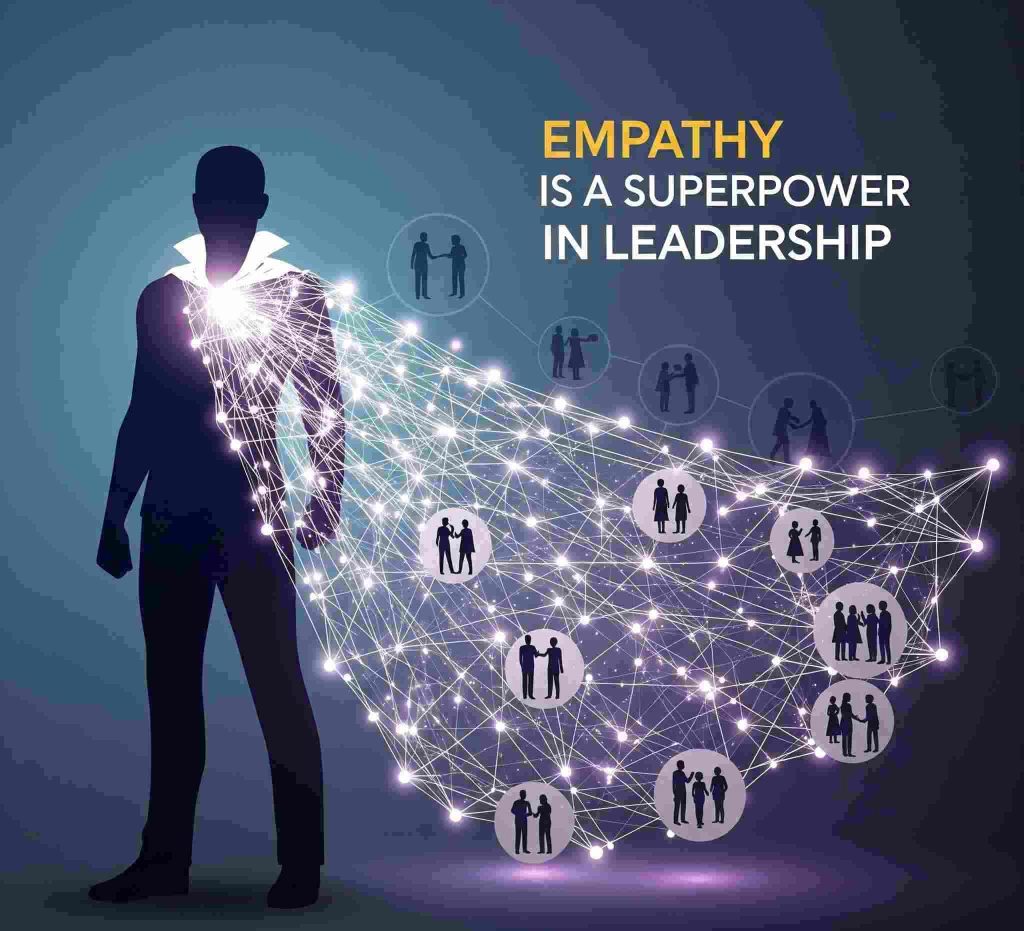
Some people think empathy is a soft, fluffy skill. But research shows it’s a real superpower that makes teams and companies stronger.
| Benefit | How it Helps |
| Stronger Trust | Team members feel safe and are more honest and open. |
| Better Teamwork | People who feel understood are more willing to collaborate. |
| Higher Morale | Employees are happier and more satisfied with their jobs. |
| More Innovation | A safe environment encourages people to share new ideas. |
You don’t have to be born with empathy. It’s a skill you can practice and learn. Here are five simple habits to get you started.
Active listening is the most important habit. It means giving someone your full attention without thinking about what you’re going to say next. Servant leaders listen to understand the other person’s thoughts, concerns, and ideas. Try asking, “What would feel most helpful from me right now?” instead of jumping in with a solution.
This is a critical point. Empathy doesn’t mean taking on everyone’s problems as your own. That leads to leader burnout. Instead, practice “empathy with edges.” You can say, “I hear you, and I care. Here’s what I can offer.” This shows you care while protecting your own well-being.
An empathetic leader knows they don’t have all the answers. They are humble and ask questions to learn from their team. They prioritize the team's needs over their own ego.
You don’t always have to agree with someone to show empathy. You just need to acknowledge their feelings. Try using phrases like:
You can’t pour from an empty cup. Leaders must take care of their own mental and physical health first. As one article wisely states, you must “put your oxygen mask on before helping others”. Compassionate leadership means including yourself in the circle of care.
Being an empathetic leader isn’t always easy. Sometimes, people mistake empathy for weakness. Others worry it will take too much time.
A great example is the story of a software development manager. Instead of just assigning tasks, she took extra time to mentor a new team member. She provided guidance on technical skills and career growth.
This empathetic action did two things:
The manager served her employee’s needs, which in turn served the goals of the whole company.
No. It’s about being effective. Servant leaders are often very driven and results-oriented, but they believe the best way to get results is by empowering and supporting their people. They can still make tough decisions while being empathetic.
While some people might be naturally more empathetic, it is absolutely a skill that can be developed. It starts with a genuine desire to understand others and is built by practicing habits like active listening and asking thoughtful questions.
Sympathy is feeling for someone (e.g., "I feel sorry for you"). Empathy is feeling with someone (e.g., "I understand why you feel that way; I've been there too"). Empathy creates a much deeper connection.
Remote work makes empathy even more important! Schedule regular video check-ins not just about work, but about well-being. Use chat tools to ask about their weekend. Encourage casual conversation in virtual meetings. The same principles of listening and asking questions apply.
No. Empathy is a universal human skill that is valuable in any context where people work together, from corporations and nonprofits to schools and government agencies. Any organization benefits from having leaders who understand and care about their people.
By Dennis Ondrejka
This inspiring guide re-imagines leadership as an act of service rooted in empathy, humility, and purpose. Blending academic insight, personal stories, and practical tools, Servant Leadership equips readers to lead with heart and integrity-whether in the classroom, the boardroom, or everyday life. Drawing on timeless spiritual wisdom and modern research, Thibodeau and Ondrejka show how leading by serving can transform individuals, teams, and entire organizations. This is leadership as it was meant to be: good work, sacred work, our work.
Servant leadership with empathy isn’t a management trick. It’s a way of seeing your role as a leader. It’s about choosing to lift others up and help them succeed.
The best leaders know that their success depends on the success of their team. By listening, understanding, and showing genuine care, you build a team that is not only more productive but also more loyal, innovative, and happy.
Remember the words of the ancient wisdom: “We do not have a high priest who is unable to sympathize with our weaknesses”. The greatest leaders are those who can connect with and understand the people they guide. Start small. Listen a little more closely today. Ask one thoughtful question. You might be surprised at the transformation it begins.
